
Table of Contents
ToggleHonorary Doctorate Award in Delhi: How People Understand it, and What it Actually Means
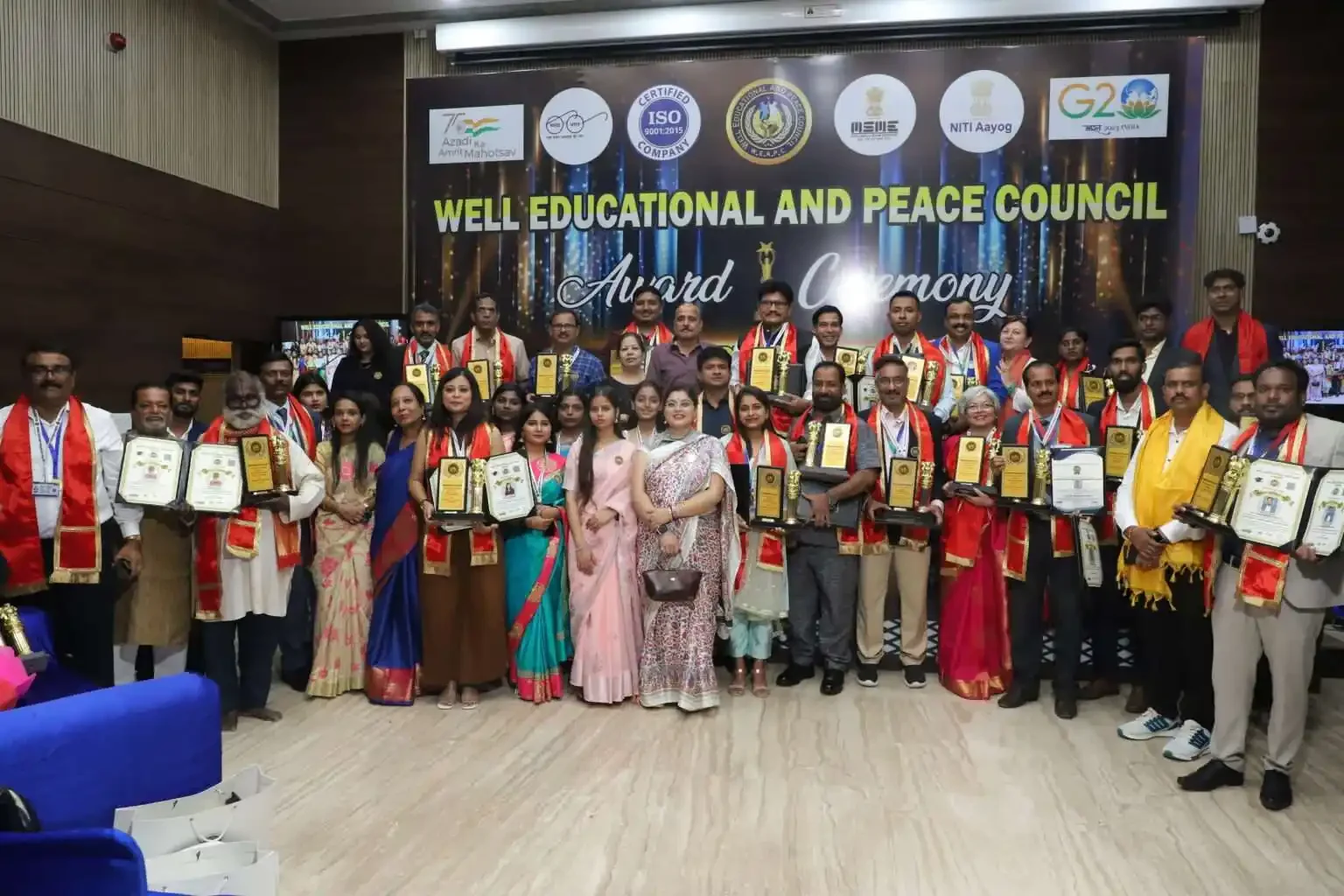
In Delhi, people hear about awards very often. Conferences, seminars, education events, social programmes, recognition is everywhere. Because of this, most people here do not react quickly when they hear about an honorary doctorate. They usually slow down and ask questions.
When someone mentions the honorary doctorate award in Delhi, the first thought is rarely excitement. It is curiosity. People want to know where it came from, who gave it, and why it was given. This is not doubt in a negative sense. It is simply how Delhi works.
This page explains the honorary doctorate award in Delhi in a clear and practical way, without decoration or any problem, so readers can decide for themselves what it stands for.
Why Delhi Treats Recognition Differently
Delhi is not short of institutions. Universities, research bodies, NGOs, policy groups, and professional councils operate side by side. Because exposure is high, awareness is also high.
In such an environment, recognition has value only when it survives questions. People here usually ask “how something works before asking how it looks”. That is why honorary recognition in Delhi is judged more on process than presentation.
This makes the honorary doctorate award in Delhi meaningful only when it is backed by clear contribution and a proper review.
What this Award is, and What it is Not
Many people confuse honorary doctorates with academic degrees. They are not the same.
An honorary doctorate is not earned through exams, research papers, or university attendance. It exists to recognise long-term contribution that happens outside classrooms. This may involve education, social development, healthcare support, policy assistance, or community leadership.
The honorary doctorate award in Delhi exists for people whose work created impact over time, even if their learning came through experience rather than formal study.
It does not replace academic degrees.
It does not claim academic authority.
It simply acknowledges contribution.
If someone wants to understand the broader background of how honorary recognition works, the honorary doctorate award in Delhi overview explains this clearly in an informational way
Who Usually Receives This Recognition in Delhi
There is no fixed profile.
In Delhi, the honorary doctorate award in Delhi is often associated with people who stayed committed to one field for many years. Some worked in education without limiting themselves to classrooms. Some supported social causes quietly. Some contributed to public welfare or policy work behind the scenes.
Many recipients are not widely known. They are respected within professional or community circles rather than on social media. That is usually a good sign. In Delhi, loud visibility does not automatically mean credibility.
Why the Process Matters More Than the Title
One reason people hesitate about honorary awards is misuse. Delhi has seen enough examples where titles were used for status rather than meaning. Because of this, process matters deeply here.
For the honorary doctorate award in Delhi to carry respect, three things usually matter:
- the contribution must be real and long-term
- the evaluation must be transparent
- the awarding body must be accountable
This is why the role of a responsible council becomes important. Organisations such as Weapc focus on structured evaluation and ethical recognition, not shortcuts. Their responsibility is not to create titles, but to protect the dignity of recognition.
When people see that effort has been reviewed properly, trust follows naturally.
Why this Recognition is not Meant For Everyone
This point is often misunderstood.
The honorary doctorate award in Delhi is not designed for people who want quick recognition or a label to use socially. In Delhi, such things are noticed immediately and questioned just as fast.
People who genuinely deserve this recognition usually do not chase it. They are often more concerned about whether their work will be understood correctly. They see the award as acknowledgement, not achievement.
This difference in mindset is what keeps the recognition meaningful.
How People Usually Decide Whether this Award Fits Them
Before taking any step, most people reflect quietly.
They think about whether their work helped others in a visible way. They consider how long they have been involved in that work. They also ask themselves if they are comfortable with their contribution being examined openly.
These questions are not barriers. They are filters. They protect both the individual and the award.
Learning More, Without Pressure
For those who want to understand the formal process, eligibility, and review structure, clear information is available through the official honorary doctorate award in Delhi page.
Reading first and deciding later is always better than moving quickly.
A Realistic Closing Thought
In Delhi, recognition speaks only when it is quiet and well-earned.
The honorary doctorate award is not about display. It is about acknowledging work that mattered over time. When handled responsibly, it earns respect. When explained clearly, it removes confusion.
And when approached honestly, it does not need promotion, it explains itself.
FAQs
1. How can someone be nominated for an honorary doctorate?
An honorary doctorate is a form of recognition given to people for their real-life work and contribution to society, not for exams or academic study.
2. Can I use the title "Dr." after receiving an honorary doctorate?
In general, honorary doctorate holders should use the title respectfully and with context, as it is a recognition of contribution, not an academic qualification earned through formal study.
3. Who can submit a nomination for someone else?
Nominations can generally be submitted by organisations, institutions, community leaders, or authorised individuals who are familiar with the nominee’s work and can justify their contribution clearly.
4. What documentation is required for a nomination?
Documentation normally includes a summary of work, proof of contribution, background details, and supporting information that explains why the person deserves recognition through an honorary doctorate.
5. How long does the honorary degree nomination and selection process take?
The process can take several weeks or months, depending on review standards, verification steps, and evaluation procedures followed for the honorary doctorate award in Delhi.