
Table of Contents
ToggleHonorary Doctorate Award in Tamil Nadu: How People Understand it, and Why it Matters
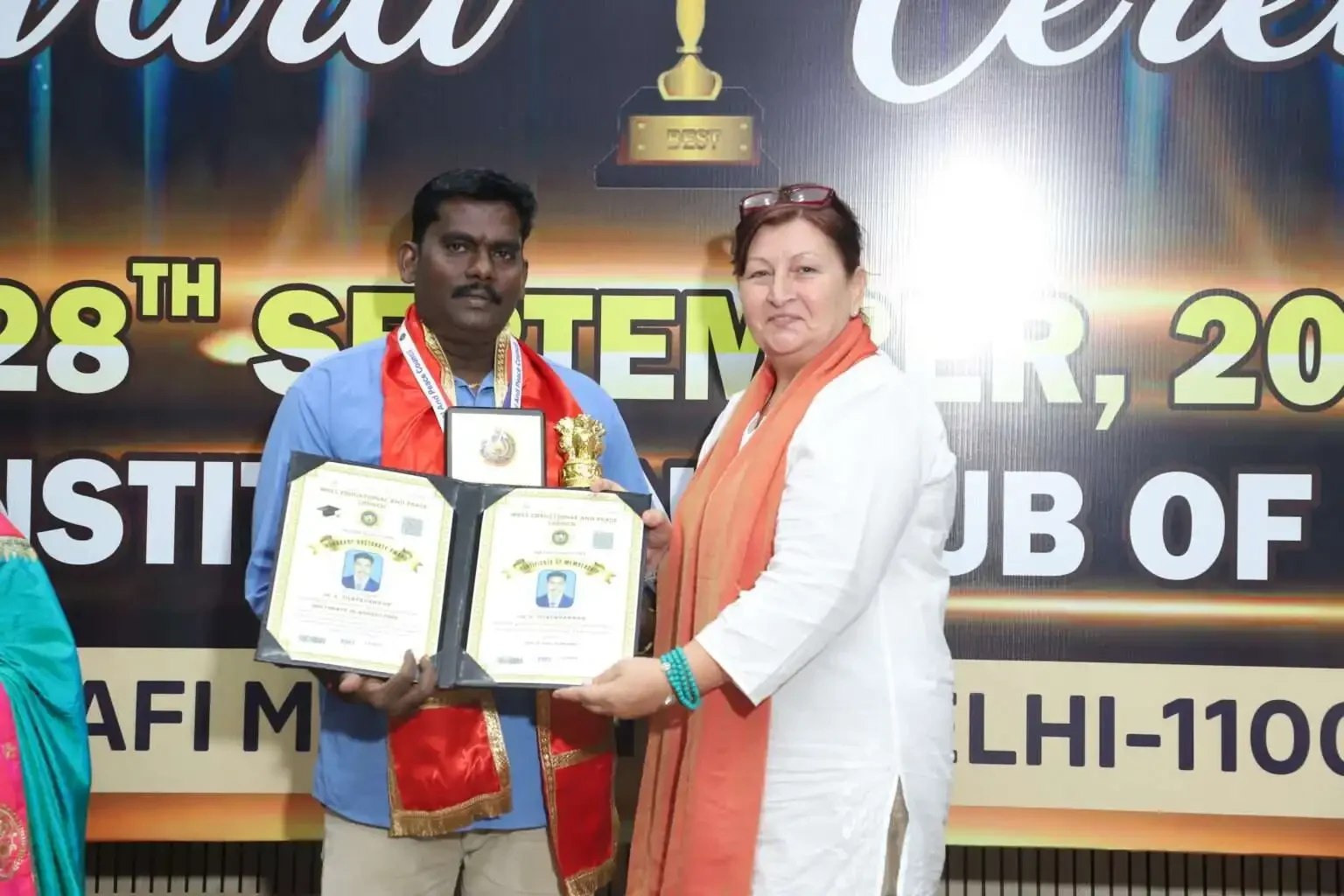
The phrase honorary doctorate award in Tamil Nadu usually reaches people in a quiet way. Someone hears about it at a public function. Someone reads a local news note. Sometimes, it comes up during a conversation about a respected teacher, social worker, or community leader.
At first, it sounds formal. Then questions follow.
People wonder what it really means, whether it is genuine, and who it is meant for. Some feel curious. Others feel unsure. Both reactions are normal. This blog is written for those moments of curiosity and doubt, using simple words and clear thinking.
How People Usually Come Across the Idea
Most people do not go looking for an honorary doctorate. Instead, the idea finds them.
In Tamil Nadu, respect is often shown quietly. Teachers, doctors, artists, and social workers do their work for years without expecting recognition. When one of them receives an honorary doctorate award in Tamil Nadu, people notice, not because of the title, but because of the person.
That is usually when the thinking begins.
What is this award?
Why was it given?
Does it really mean something?
What the Award Actually Stands For
An honorary doctorate award in Tamil Nadu is not linked to exams or academic study. It is not something earned through classrooms, books, or degrees. Instead, it recognises learning that comes from life itself.
Many people gain deep knowledge through experience. They learn by teaching others, serving communities, building organisations, or protecting culture. Over time, this work shapes lives. The award exists to acknowledge that kind of learning.
It does not replace academic degrees. It does not compete with them. It simply recognises a different path.
For readers who want a broader explanation of how such honours work in general, the honorary doctorate award in Tamil Nadu explains this background clearly.
Why Tamil Nadu Gives Meaning to this Recognition
Tamil Nadu has a long history of valuing discipline, education, and social responsibility. Recognition here is not usually loud. It is careful. Sometimes even delayed.
Because of this, the honorary doctorate award in Tamil Nadu carries weight only when it reflects real effort. People tend to respect the story behind the recognition more than the certificate itself.
When the award is given to someone who has genuinely served society, it feels right. When it is rushed or unclear, people sense it quickly. This social awareness is important, and it shapes how the award is seen.
Who this Recognition is Really Meant For
There is no single profile for someone who receives an honorary doctorate award in Tamil Nadu.
Some recipients are educators who have guided students for decades. Others are social workers who have improved daily life in villages or towns. Some are professionals who built ethical organisations. Others contributed quietly to culture, language, or community development.
What connects them is not fame. It is consistency. Years of effort. Work that helped others without asking for attention.
Why Honesty and Process Matter So Much
As interest grows, so does responsibility. An honorary doctorate award in Tamil Nadu holds value only when it follows a proper and careful process.
This means reviewing a person’s work, understanding its impact, and taking time before making a decision. Recognition given without care loses trust quickly.
That is why choosing the right council matters. Organisations such as Weap,C focus on transparent evaluation and ethical recognition. Their role is not to create titles, but to protect the dignity of recognition.
Why this Award is Not For Everyone
This is important to say clearly.
An honorary doctorate award in Tamil Nadu is not meant for people seeking quick status or shortcuts. It is meant for those who see recognition as a reflection, not a goal.
People who truly value this honour usually feel a sense of responsibility with it. They understand that recognition also brings expectations, of conduct, honesty, and example.
Those looking only for a title often realise, sooner or later, that this path is not meant for them.
How People Should Think Before Taking a Step
Before exploring an honorary doctorate award in Tamil Nadu, it helps to pause.
Has the work made a real difference?
Was it done consistently?
Is the person comfortable with a proper review?
These questions are not barriers. They are filters. They help ensure that recognition remains meaningful.
Reading, reflecting, and understanding the purpose of honorary recognition often brings clarity before any decision is made.
Moving Forward, if it Feels Right
For individuals who feel confident about their contribution and want to explore formal recognition, the next step should never feel rushed.
Information about eligibility and process is available on the honorary doctorate award application page. This allows people to move forward with understanding, not pressure.
A Final Thought
An honorary doctorate award in Tamil Nadu is not about display. It is about acknowledgement.
When given carefully, it honours years of quiet work. When understood properly, it carries dignity rather than noise. And when approached honestly, it becomes meaningful for both the recipient and society.
True recognition does not need to be loud. It only needs to be real.
FAQs
1. What exactly is an honorary doctorate?
An honorary doctorate is a form of recognition given to people for their real-life work and contribution to society, not for exams or academic study.
2. What is the purpose of awarding honorary doctorates?
The purpose of an honorary doctorate award is to respect long-term effort, service, and impact, and to recognise people whose work has helped others in meaningful ways.
3. Why do universities give out honorary degrees instead of other forms of recognition?
Universities give honorary degrees because this recognition carries dignity and respect, and it honours contributions at a higher level than certificates or awards.
4. Who is eligible for an honorary doctorate?
Anyone who has made a strong and positive contribution in areas like education, social work, leadership, or community service may be considered for an honorary doctorate award.
5. What specific achievements or contributions qualify someone for an honorary doctorate?
Achievements that qualify include long-term social service, ethical leadership, community development, innovation, or work that has created lasting value for people or society.